Here’s the thing nobody warns you about.
Most people can see remarkably well the day after laser vision correction. That part is true, and it’s genuinely impressive. But seeing well and being cleared for everything are two different things — and if you scheduled surgery in the middle of a Korea trip, the gap between those two things is where your itinerary falls apart.
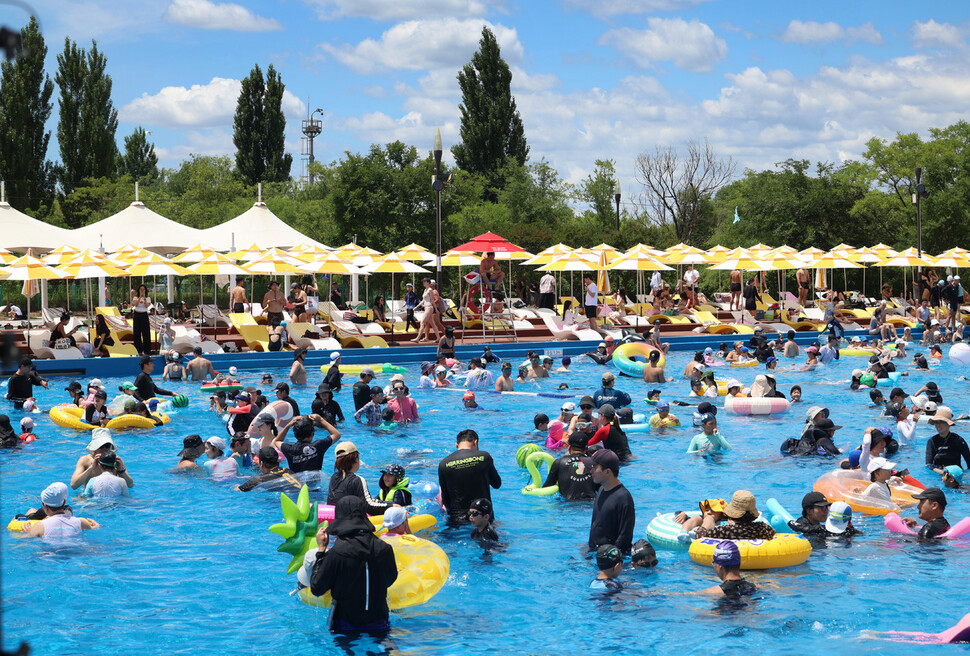
The jjimjilbang you were most excited about? Off the table for about a month. The Hangang pool in summer? Same. Caribbean Bay? Same.
I plan Seoul trips for a living, and this is the single most common thing people don’t find out until they’re already sitting in the clinic. So here’s the full picture — what’s restricted, for how long, and what you can actually do instead.
If you haven’t booked yet, read Planning a Trip to Korea for LASIK first — that one covers the pre-trip part, including the contact-lens rule that catches most people out.
The restrictions, in plain numbers
| Activity | Typical wait |
|---|---|
| Flying | ~24 hours |
| Driving | 24–48 hours |
| Light walking, gentle sightseeing | Usually next day |
| Screens (phone, laptop) | Next day, with breaks |
| Light exercise | 3–4 days |
| Eye makeup | ~1 week |
| Swimming pools, water parks | ~1 month |
| Saunas, jjimjilbang, hot springs | ~1 month |
| Contact sports | ~1 month |
| Full visual stabilization | 2–4 weeks |
These are general ranges drawn from published clinical guidance. Your surgeon’s instructions always override them, and they vary by procedure — surface treatments like LASEK/PRK recover more slowly than SMILE or LASIK.
Now let’s map that onto an actual Seoul itinerary.
Jjimjilbang: the one that hurts
For a lot of first-time visitors, the Korean bathhouse is a top-three experience. It’s also close to a perfect list of what clinics tell you to avoid: high heat, steam, shared water, and rubbing your face with a towel.
Wait about a month. That includes the hot pools, the dry saunas, the salt rooms, and the sesshin body scrub.
The sleeping halls and food areas are a different matter — those are just warm rooms, and if you’re desperate for the experience, some people go for the social side and skip the water entirely. Ask your clinic before assuming it’s fine. Most will tell you to just wait.
What to do instead: the same relaxation impulse is well served by a foot spa, a head spa (see below), or a quiet café. Not the same, but it holds you over.
Swimming, in all its forms
Chlorine, lake water, and seawater all carry infection risk while the eye is still healing, and most clinics restrict swimming for around a month.
In practice, in Korea, that rules out:
- Hangang outdoor pools (open roughly July–August)
- Caribbean Bay and other water parks
- Hotel pools and jjimjilbang cold plunges
- Beaches in Busan or Jeju, if you’re doing a multi-city trip
- Valley swimming near Bukhansan or Gapyeong
Showering is fine from very early on — just keep water and shampoo out of your eyes and don’t rub. Your clinic will tell you exactly when.
Hiking and the outdoors
Walking is encouraged. Sweat, dust, and wind are the problem, not the exercise itself.
- Short, paved walks — Cheonggyecheon, Han River paths, Seoul Forest — are fine within a few days.
- Bukhansan, Inwangsan, Achasan and other real hikes are worth pushing back a couple of weeks. Exposed ridgelines are dusty and windy, and sweat running into the eye is exactly what you’re avoiding.
- Spring visitors take note. March through May brings yellow dust and fine particulate season on top of pollen. If your dates fall there, keep outdoor time shorter in the first week and wear wraparound sunglasses.
Sightseeing, sun, and screens
You can absolutely sightsee. Just adjust how.
Bring proper UV sunglasses, and wear them. Seoul’s big sights are surprisingly exposed — Gyeongbokgung’s courtyards, Bukchon’s slopes, the Han River parks, the top of Namsan. Bright light is uncomfortable on healing eyes and UV protection matters more than usual.
Expect eyes to tire faster. Plan two anchor activities a day instead of four, and build in café stops. This is genuinely the right way to see Seoul anyway.
Screens are fine but drying. You blink less looking at a phone. Use your drops more often than you think you need to, especially on the subway.
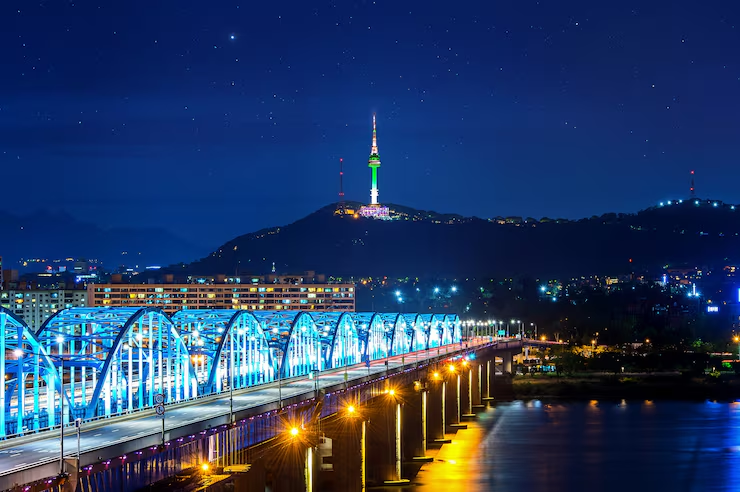
Night views are one of the best options. Namsan Tower after dark, the Banpo Bridge fountain, a Han River walk — no sun, low intensity, and some of the city’s best moments. Night sightseeing is the friend of a recovering eye.
Hanbok photos, makeup, and hair
Eye makeup waits about a week. Mascara and liner flake, and the particles are a genuine infection risk. Foundation and lip products are usually fine much sooner — confirm with your clinic.
This matters if you booked a hanbok photoshoot. Hanbok rental near Gyeongbokgung usually includes a hair and makeup option, and a proper studio shoot leans heavily on eye makeup. If the photos matter to you, schedule the shoot before surgery, or push it past the one-week mark.
Head spa and hair salon appointments are mostly fine — they’re among the most requested things visitors add to a Seoul trip, and they don’t involve the eye. The one thing to flag to the salon: ask them to keep water and product away from your face during the wash, and tell them you’ve had recent eye surgery.
Facials and skin treatments are a “ask your clinic” item. Steam, extractions, and anything involving pressure near the eye can be an issue in the first weeks. Lasers near the eye area definitely wait. If you were planning to combine a beauty trip with vision correction, sequence the skin work before the surgery.
Food, drinking, and everything else
Food has no restrictions. Spicy is fine. Korean BBQ is fine — though smoke from the grill can sting slightly in the first few days, so ask for a table with good extraction or go a few days in.
Alcohol is worth skipping for a few days. It dehydrates you, and dry eye is the most common early complaint after laser correction. Some clinics also ask you to avoid it while on certain drops. Ask.
Sleep on your back for the first nights if you can, and don’t rub your eyes — including in your sleep. Clinics usually give you a plastic shield for exactly this.
Week by week: what opens back up
| Time since surgery | What you can do |
|---|---|
| Day 1 | Rest. Nothing on the schedule. Have food in the room already. |
| Day 2 | Follow-up exam. After that: indoor, low-intensity. Department stores, Starfield Library, a quiet café. Sunglasses outdoors. |
| Days 3–4 | Normal walking-pace sightseeing. Palaces, markets, hanok alleys. Light exercise returns. |
| Week 1 | Most of Seoul is open to you. Eye makeup returns around the end of this week. |
| Weeks 2–4 | Hiking, gym, longer days. Vision keeps sharpening. |
| After ~1 month | Jjimjilbang, swimming, water parks, contact sports. |
So when should you schedule surgery in your trip?
Early. Day 1 or 2 if your clinic allows same-day examination and surgery.
It feels backwards — you’d rather sightsee first and have the surgery at the end. But scheduling it late means no follow-up exam before you fly, and the follow-up is not optional.
The better move is to put surgery at the front and shape the trip around recovery: quiet indoor days first, walking days next, and save the jjimjilbang and the water for your next trip. Which, honestly, is a good reason to come back in autumn.
If you’re doing multiple cities, the same logic applies — do Seoul and the surgery first, then travel onward once you’re a few days out.
Frequently asked questions
Can I go to a jjimjilbang after LASIK? Not for about a month. Saunas, hot pools, and shared-water environments are typically restricted for around four weeks after laser vision correction.
How long after LASIK can I swim? Around a month for pools, water parks, and the sea. Chlorine and untreated water both carry infection risk while the eye heals.
Can I fly the day after laser eye surgery? Flying is usually fine after about 24 hours. Cabin air is extremely dry, so keep lubricating drops in your carry-on and use them often.
Can I still sightsee in Seoul after surgery? Yes. Walking-pace sightseeing is usually fine within a couple of days. Wear UV sunglasses, plan fewer activities per day, and lean toward night views and indoor spaces early on.
When can I wear eye makeup again? Generally about a week. If you have a hanbok photoshoot booked, schedule it before surgery or after the one-week mark.
Can I get a facial or skin treatment after laser eye surgery? Ask your clinic. Steam and pressure near the eye can be a problem early on. If you’re combining a beauty trip with vision correction, do the skin treatments before the surgery.
Planning around this
The restrictions aren’t the problem. Not knowing about them until you’re already here is.
If you’re building a Korea trip around vision correction, I’m happy to sketch a schedule that works with your surgery date — what to do on which days, what to move, and what to save for next time.
[Plan my Seoul trip → /plan-your-trip/]
More on choosing a clinic and what the process actually looks like: Clinics & K-Beauty in Seoul
Medical information here is general and drawn from published sources. It is not medical advice, and your surgeon’s instructions always take priority. Recovery timelines vary by procedure and by individual.
Last updated: September 2026