START HERE
The National Museum of Korea is a good choice for Korean art, history and an indoor break from sightseeing. Start with the ceramics galleries, the ten-story stone pagoda and the museum shop from my short. The permanent collection is free. Allow about two to three hours for a selective visit, and check gallery closures before choosing your day.
This National Museum of Korea guide gives you a small route to follow, with room to linger. You do not need to cover every floor. Choose the objects that interest you, then leave time for the grounds or a meal in Ichon.
Visiting information checked 14 October 2026. Suggested visit lengths below are planning estimates, excluding travel and queues.
National Museum of Korea guide: plan your visit
Ceramics, the ten-story pagoda and the museum shop: three starting points from my visit.
Is the National Museum of Korea worth visiting?
Include it if you enjoy ceramics, sculpture, Korean history or looking closely at a few objects. Free permanent galleries make a short, focused visit practical. If museums usually tire you out, choose one gallery and the pagoda rather than committing to a full day.
It also works well as the main indoor stop on a rainy day, although the approach and outdoor grounds still involve time outside. For families, the Children’s Museum is a separate, reservation-based option; it is not included automatically in an ordinary gallery visit.
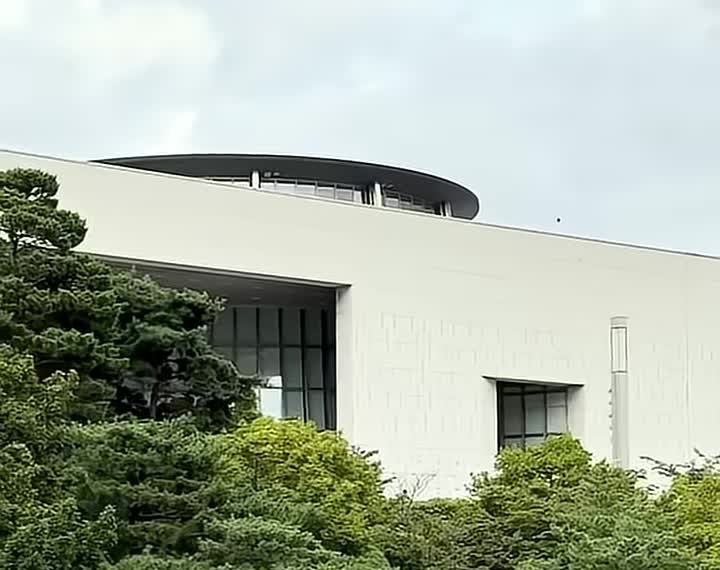
3 National Museum of Korea highlights to start with
1. Ceramics: head to the third floor
The video’s “Ceramics Gallery” is a useful starting idea, but the signs are more specific: look for the Celadon Gallery, Room 303, and the Buncheong Ware and White Porcelain Gallery, Room 304. Both are in the third-floor Sculpture and Crafts section.
In the Celadon Gallery, look at the glaze and the details cut into or inlaid on the surface. The spherical, pierced lid and lotus-shaped body seen near the end of my ceramics sequence belong to the Celadon Incense Burner with Openwork Design.
Then compare those intricate surfaces with the forms in the Buncheong Ware and White Porcelain Gallery. Buncheong uses white slip over a grey ceramic body; white porcelain is a different material tradition. Give yourself time to compare two or three pieces rather than photographing every case.
2. The ten-story pagoda: first-floor Path to History
Look for the Ten-story Stone Pagoda from Gyeongcheonsa Temple Site on the first-floor Path to History. This is the tall stone monument in the video, not one of the pagodas outside.
The museum’s object guide identifies it as a Goryeo-period marble pagoda, approximately 13.5 meters high. Step back to take in its shape, then look closely at the carved levels. Its scale gives you a different experience from the objects in glass cases.
On an evening visit, ask about the pagoda’s projection program. Confirm that day’s start time at the information desk before planning around it.
3. The museum shop: finish with something you noticed
Leave browsing until after the galleries. A pattern or object you liked gives the souvenirs more meaning. The video shows small gifts such as folding fans and keyrings; treat those as examples from that visit, since the range and stock can change.
For an easy final stop, use Museum Shop 1 beside the Great Hall in the West Wing, first floor. The official facilities guide also lists Shop 2 in the centre of the first-floor permanent exhibition hall and a third-floor MU:DS showroom. The showroom has shorter hours and a midday break, so do not assume every shop follows the late gallery schedule.
How long do you need? Choose one route
About two to three hours is a useful first-visit budget for selected galleries and the shop. A shorter visit can still work. These are suggested time budgets, not museum tour durations, and they exclude special exhibitions, queues and travel.
| Time to allow | Suggested route | Best for |
|---|---|---|
| About 90 minutes | 1F pagoda → 3F ceramics rooms 303–304 → 1F shop | The three stops from the short, with a brief look at each |
| About 2–3 hours | 1F pagoda → 2F Room of Quiet Contemplation → 3F ceramics → shop | A first visit combining large-scale stonework, sculpture and ceramics |
| About half a day | Add selected 1F history galleries to the route above, with a break | Visitors who want more context for Korea’s history |
If the pensive bodhisattvas are your priority, go to the Room of Quiet Contemplation on the second floor first, then continue to the ceramics. The room contains two national-treasure statues and asks visitors to remain silent. It is a separate destination from the third-floor Buddhist Sculpture Gallery.
If history interests you more than ceramics, spend your extra time in the first-floor Prehistory and Ancient History or Medieval and Early Modern History sections. Use the official floor guide to choose a period before setting off.
National Museum of Korea tickets and reservations
The permanent exhibition halls are free. Special exhibitions have their own admission arrangements: some are free, while others charge. Choose the exhibition first, then follow its official ticket link for prices, timed entry and availability.
- Ordinary permanent-gallery visit: head to the permanent exhibition halls for free admission. Check separate booking arrangements if you add a special exhibition or a timed experience.
- Special exhibition: check the exact exhibition’s dates and ticket rules before booking your day around it.
- Children’s Museum: free, with an online reservation required.
- VR in Immersive Digital Gallery 2: advance online reservation required; other immersive digital content does not generally require advance booking.
Use the museum’s reservation guidance for the Children’s Museum and VR, and its current exhibition listings for special shows.
National Museum of Korea opening hours and closures
| Day | Gallery hours | Last admission |
|---|---|---|
| Monday, Tuesday, Thursday, Friday, Sunday | 09:30–17:30 | 17:00 |
| Wednesday, Saturday | 09:30–21:00 | 20:30 |
The museum closes on 1 January, Lunar New Year’s Day and Chuseok day. Permanent galleries and Special Galleries 1–2 also have quarterly closure days on the first Monday of March, June, September and December, with published exceptions. The next listed 2026 quarterly closure is Monday, 7 December.
Check the official calendar for your date. Wednesday and Saturday evenings give you a longer visiting window; they are not a guarantee of an empty museum.
CURRENT GALLERY CHANGES
Some rooms are closed for renovation through 28 January 2027, including the third-floor Buddhist Sculpture and Metal Crafts galleries and parts of the second-floor painting and crafts sections. Ceramics rooms 303 and 304 remain open in the published notice. Check the gallery closure notice before adding other rooms to your route.
Getting there from Ichon Station
Take Line 4 or the Gyeongui–Jungang Line to Ichon Station. Follow signs toward Exit 2 and Museum Nadeulgil (박물관 나들길), the underground approach to the museum’s west gate. Allow around 10–15 minutes to reach and orient yourself at the museum; this is a walking buffer, not a train journey estimate.
The museum’s subway directions identify lifts towards exits 1 and 2. Travelers who need step-free access can also consult the accessibility guide.
Save this for your map or taxi
국립중앙박물관
서울특별시 용산구 서빙고로 137
National Museum of Korea
137 Seobinggo-ro, Yongsan-gu, Seoul
Check the journey from your hotel, including transfers. The Seoul transit pass guide explains what to compare before choosing how to pay; one museum trip alone does not determine the best pass.
A few things that make the visit easier
- Travel light. Lockers are available near the museum shop and Children’s Museum. Ask staff before relying on them for a large suitcase.
- Use the available support. The Great Hall has free wheelchair and stroller loans; the published stroller limit is 15 kg. Plan time for lifts between floors.
- Keep gallery visits quiet. Silence your phone and save food and drink for designated areas outside the exhibition galleries.
- Check photography signs. Flash, tripods, selfie sticks and gimbals are prohibited. Commercial photography or filming requires advance written permission.
The visitor information page lists facilities and gallery rules.
What to do after the museum
If the weather is pleasant, leave time for the museum grounds or neighboring Yongsan Family Park. If you have had enough walking, head back towards Ichon for a meal. Pick one optional extra, so an exhibition you enjoy does not make the rest of the day rushed.
The five-day Seoul itinerary places this museum on its own Ichon day, apart from the palace-and-Seochon route. Use that outline to fit the visit into a longer trip, then adjust the day for closures.
Take another look before you go
My second museum short gives you a closer look at ceramics, the pensive bodhisattva display, the grounds and the shop. Use it to decide which part deserves more of your time.
Watch the museum atmosphere short on YouTube ↗
KEEP EXPLORING
For a different kind of Seoul day, browse the Seoul travel guides and choose your next neighborhood, food stop or experience.
A closer look at the galleries and the museum visit.